The Interplay of Transaction Speed and Tiered Rewards in Cross-Format Mobile Gaming Ecosystems
Written by Klara Coleman · May 17, 2026
The Interplay of Transaction Speed and Tiered Rewards in Cross-Format Mobile Gaming Ecosystems
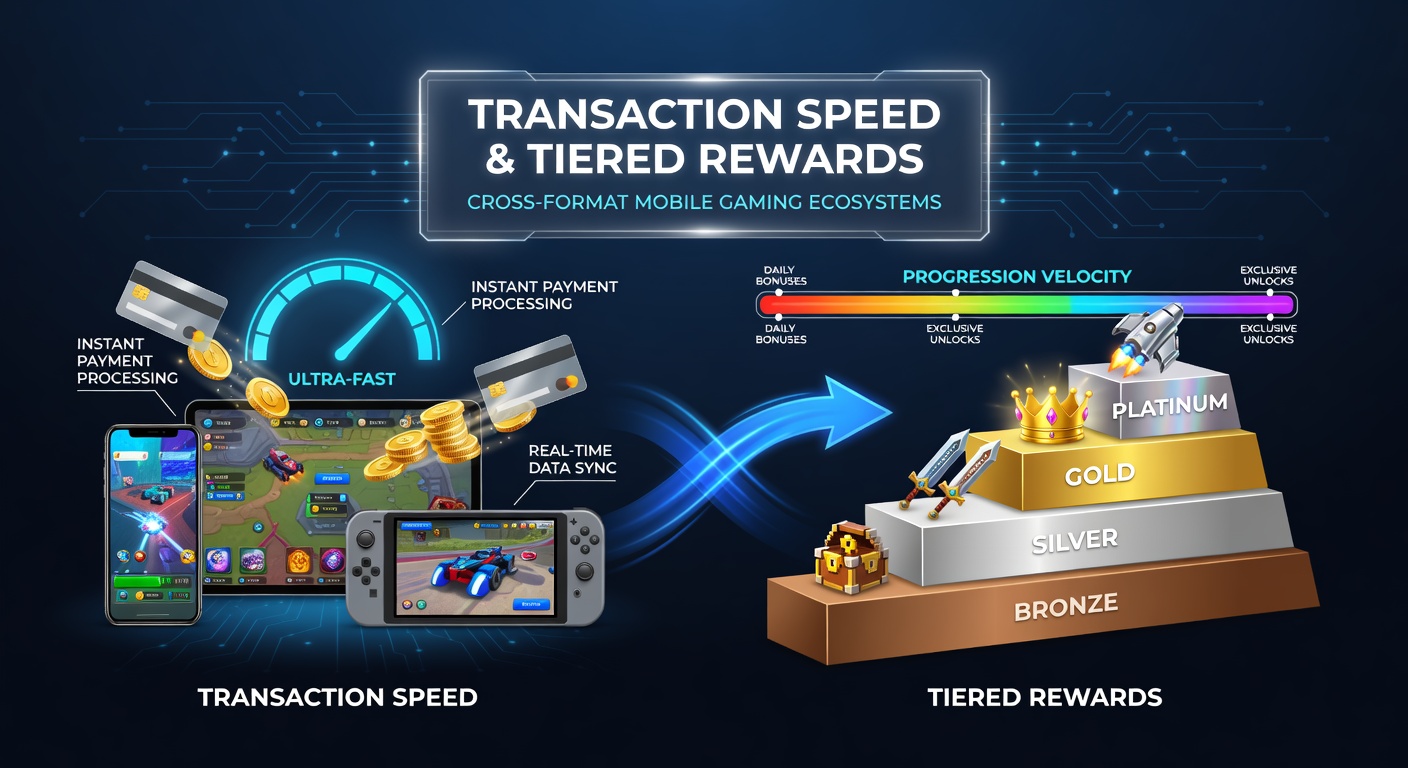
Transaction speed in mobile gaming ecosystems refers to the time required for payment processing and reward distribution across platforms that span casual puzzle apps, competitive multiplayer titles, and cross-platform role-playing games. Researchers at various institutions have tracked how these speeds influence the structure of tiered reward systems, where players advance through levels based on spending patterns, play duration, and engagement metrics. Data from industry analyses in early 2026 show that faster transaction confirmations correlate with higher retention rates in games that offer layered incentives such as daily login bonuses, premium currency packs, and exclusive character unlocks.
Core Mechanics of Transaction Processing
Payment gateways integrated into mobile operating systems handle in-app purchases through methods including carrier billing, digital wallets, and direct card authorizations. Studies conducted by academic teams have found that average processing times range from under two seconds for cached payment profiles to several minutes during peak network loads. Cross-format ecosystems, which allow progress to transfer between mobile sessions and companion experiences on other devices, rely on synchronized ledgers that update rewards only after transaction verification completes. Observers note that delays in this verification step can interrupt reward tier progression, leading developers to implement provisional credit systems that grant temporary access while full confirmation occurs.
Tiered Rewards Structures in Practice
Tiered rewards organize benefits into ascending categories, often starting with basic ad removals at the entry level and advancing to personalized avatar items or boosted resource generation at higher thresholds. Figures from market reports released in May 2026 indicate that games supporting seamless cross-format play distribute these tiers through unified player accounts managed by backend services. One analysis of popular titles revealed that players who complete transactions quickly receive immediate tier advancement notifications, which encourages continued participation. Those who experience processing lags sometimes see delayed reward activation, prompting developers to adjust algorithms that predict engagement based on historical transaction data.
What's interesting is how these systems adapt to regional payment preferences. In markets where mobile wallets dominate, tiered rewards activate faster because authentication happens locally on the device before cloud synchronization. Research indicates this approach reduces friction in ecosystems where users switch between formats mid-session, such as moving from a mobile battle arena to a desktop strategy mode that shares the same reward pool.
Data Patterns from Recent Analyses
Industry reports compiled in spring 2026 highlight measurable links between transaction velocity and reward uptake. According to findings shared by the Entertainment Software Association, titles with sub-five-second average processing times saw tier completion rates increase by measurable percentages compared to slower counterparts. The interplay becomes evident when examining player cohorts: those who opt for recurring subscription tiers benefit from automated renewals that maintain reward continuity across formats, whereas one-time purchasers rely more heavily on instant confirmations to unlock escalating benefits.
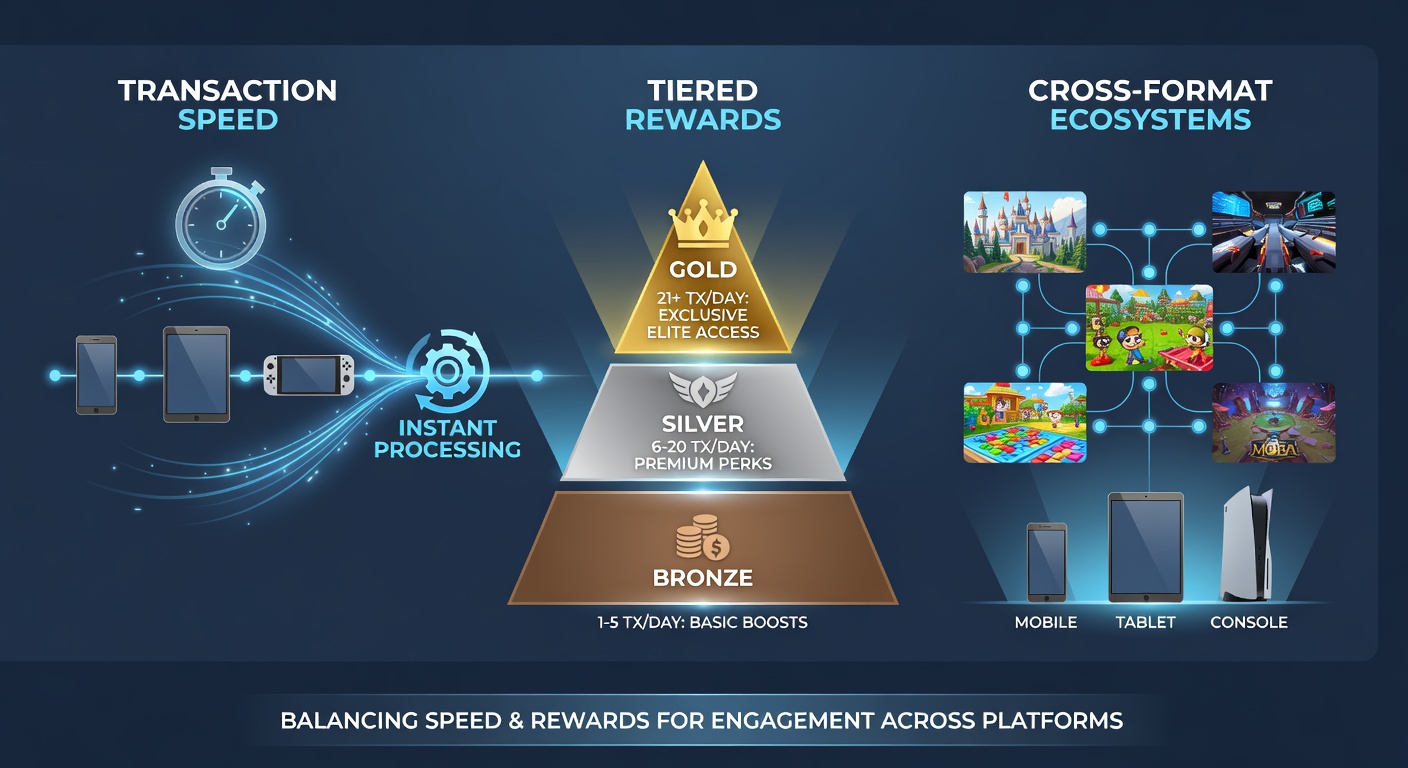
But here's the thing: ecosystems that integrate predictive analytics can pre-load reward assets during transaction windows, shortening the perceived wait time even when actual processing varies. A university-led examination of user behavior logs demonstrated that this technique preserves momentum in tier advancement, particularly for players engaged in live events that span multiple device types. Data shows participation in such events rises when reward distribution aligns closely with payment completion.
Regional Variations and Platform Adaptations
European regulatory frameworks emphasize consumer transparency around transaction timelines, which has led developers to display estimated reward activation windows within game interfaces. In contrast, Asian markets have emphasized speed optimizations through localized server clusters that handle both payments and reward calculations simultaneously. Observers tracking these differences report that cross-format compatibility requires standardized APIs capable of reconciling varying speeds without disrupting tier eligibility. One case documented by research groups involved a multiplayer title that adjusted its reward schedule to accommodate slower banking integrations in certain countries while preserving faster paths for digital wallet users.
Turns out these adaptations also affect how developers design progression curves. Shorter transaction cycles support denser reward layers because players can cycle through tiers more rapidly during a single play session. Longer cycles prompt the creation of interim milestones that do not require payment verification, allowing engagement to continue uninterrupted. Evidence from platform analytics supports this pattern across both free-to-play and premium mobile titles that share user bases with console or web versions.
Conclusion
The relationship between transaction speed and tiered rewards continues to shape design choices in cross-format mobile gaming. Reports from May 2026 demonstrate that optimized processing contributes to smoother reward delivery, while slower systems encourage alternative engagement mechanisms. Researchers continue to examine how these elements interact as new payment technologies and cross-device features emerge, providing ongoing data on retention and monetization across diverse player demographics. Those who monitor ecosystem performance note that balanced implementations maintain accessibility regardless of individual transaction conditions.