Sequential Bonus Mechanics: Linking Reel Spins to Live Dealer Play in Mobile Casino Apps
Written by Elena Washington · Jun 12, 2026
Sequential Bonus Mechanics: Linking Reel Spins to Live Dealer Play in Mobile Casino Apps
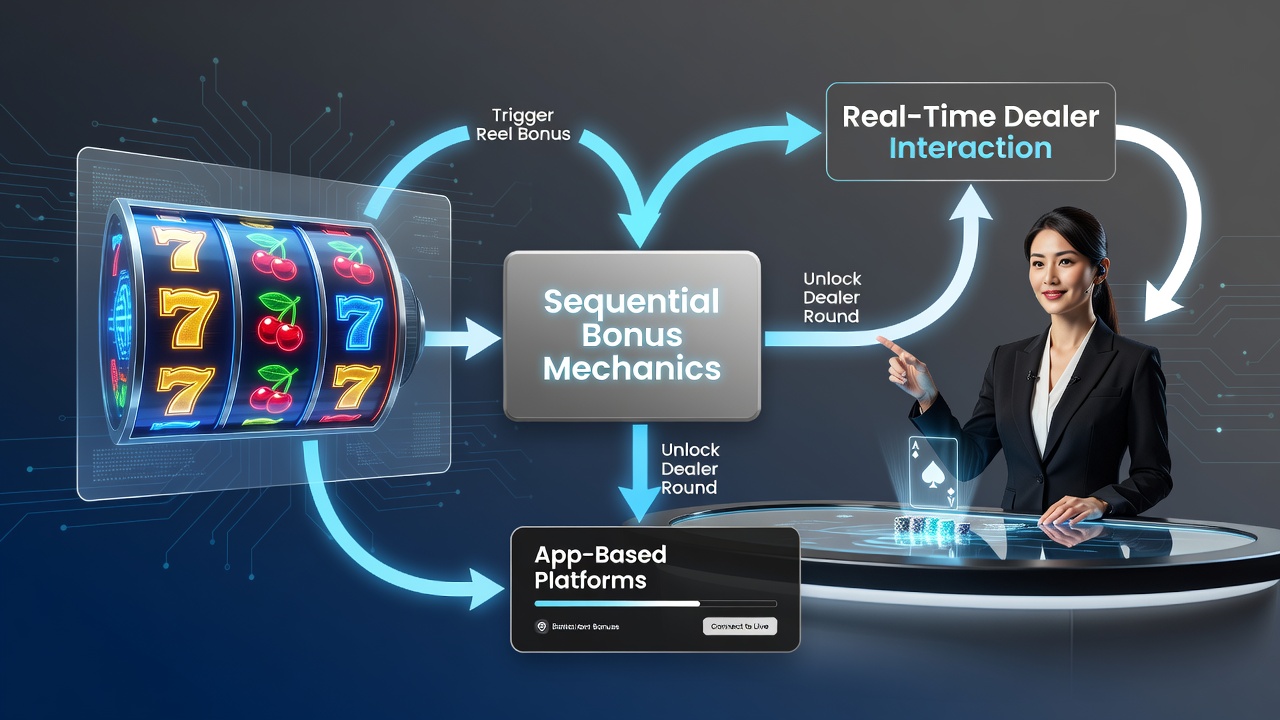
Sequential bonus mechanics operate as structured reward pathways that begin in reel-based games and extend into real-time dealer sessions within app-based platforms, creating continuous engagement cycles across different game formats. These systems track player actions through defined stages where initial achievements in slots unlock subsequent opportunities at live tables, and data from industry reports indicates such layered approaches appear in multiple mobile ecosystems by mid-2026.
Core Structure of Sequential Bonus Pathways
Developers implement sequential bonuses through progressive tiers that activate based on specific reel outcomes such as consecutive wins, symbol combinations, or accumulated spin counts, after which players receive credits or multipliers applicable to live dealer environments. This design connects isolated slot sessions with interactive table games because the bonus code or token generated from reels transfers directly into the live section of the same application, allowing users to apply rewards without resetting progress or navigating separate accounts. Research from gaming technology providers shows these mechanics reduce transition friction between formats while maintaining separate rule sets for each game type.
Reel-Based Initiation and Progression Triggers
Slot modules within hybrid apps initiate the sequence through standard reel mechanics augmented by bonus meters that fill according to predefined algorithms, and once thresholds reach completion players gain access to enhanced live dealer features such as personalized betting options or priority seating in virtual tables. Observers note that platforms often calibrate these triggers around common reel events including scatter symbols or free spin rounds, which then feed into a unified player profile visible across both game categories. Figures from mobile gaming analytics reveal steady adoption of such triggers in applications handling combined reel and table traffic during the first half of 2026.
Transition Mechanisms to Real-Time Dealer Interactions
After reel completion the system releases a bridge element such as a live table voucher or multiplier that applies automatically when the user enters the dealer interface, and this process occurs within the same session window to preserve momentum. Live dealer modules recognize the incoming sequential bonus through backend synchronization that matches the player identifier with prior reel activity, enabling features like increased payout rates on specific bets or exclusive side games unavailable to non-sequential players. Those who study app architecture point out that synchronization protocols rely on real-time data streams rather than manual input, which supports seamless movement between the two environments without additional verification steps.
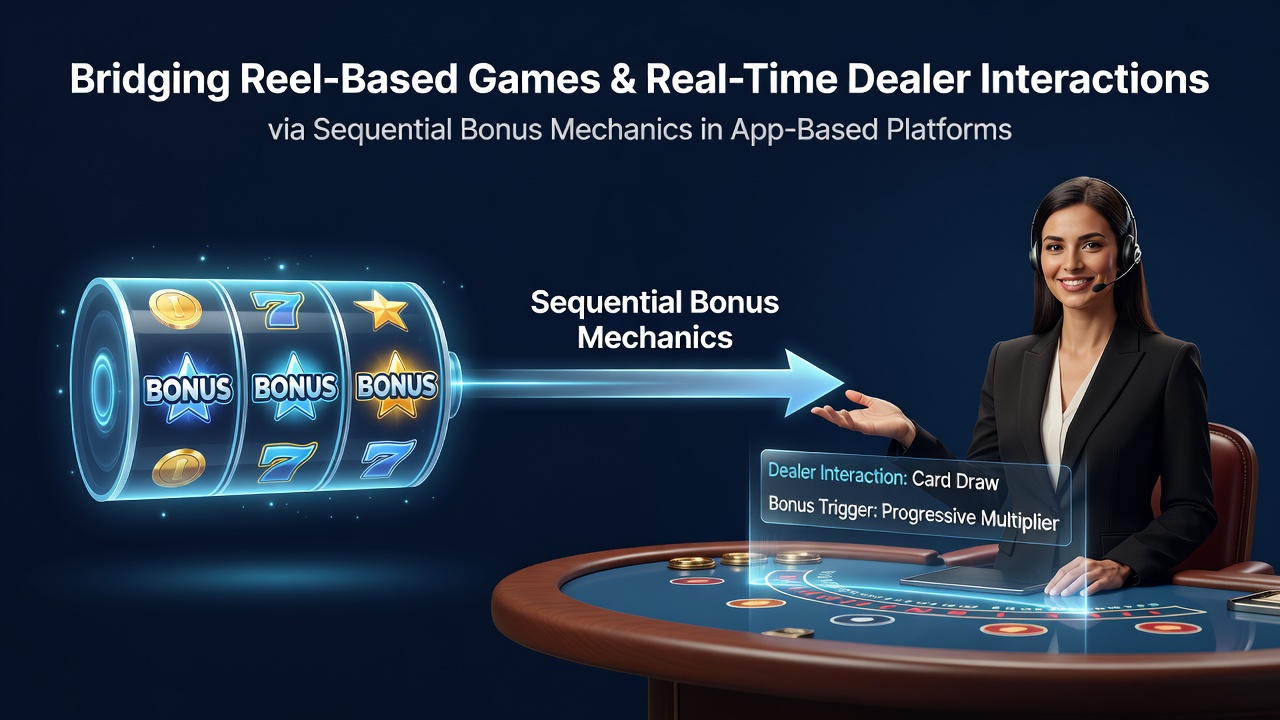
Platforms incorporate timing windows that keep sequential bonuses valid for defined periods after reel activity concludes, giving players flexibility to choose when to enter live sessions while still linking the reward to its origin. This approach differs from standalone bonuses because the value or eligibility derives explicitly from reel performance metrics tracked in the app database.
Implementation Across App Ecosystems in 2026
By June 2026 multiple app providers integrate sequential systems into unified interfaces that display both reel and live options on a single dashboard, and backend systems handle the cross-format tracking through centralized ledgers updated with each player action. Data compiled by the American Gaming Association indicates rising use of these integrated models in regulated markets where mobile play combines slots with live dealer offerings. Similar patterns appear in reports from the Australian Interactive Gambling Council, which documents how sequential mechanics support regulatory compliance by logging every stage of bonus movement between formats.
Technical frameworks employ API connections that push reel-generated data into live dealer software modules instantaneously, and this connectivity allows dealers or automated systems to recognize bonus eligibility without player intervention. Developers adjust parameters such as bonus expiration and transfer limits according to regional rules, ensuring the sequence respects jurisdictional boundaries while functioning across the app's full game library.
Player Journey Mapping and Retention Patterns
Applications map the player journey as a continuous loop where reel play feeds live participation and live results sometimes generate return bonuses for additional reel sessions, forming closed reward circuits. Studies conducted by academic groups focused on digital entertainment economics document that users completing full sequences tend to maintain longer overall session durations than those engaging with single-format bonuses. The mechanics therefore function as connectors that encourage exploration of both reel and dealer content within one application environment.
Conclusion
Sequential bonus mechanics establish defined linkages between reel-based games and real-time dealer interactions by carrying rewards through structured stages inside app-based platforms, and evidence from 2026 shows continued refinement of these systems to support cross-format play. Regulatory bodies and industry organizations track these developments through performance metrics that highlight how bonus pathways influence user navigation across mobile casino offerings. The approach remains grounded in technical synchronization and tiered reward design that connects distinct game types without altering their individual operational rules.