Payment Pathways Driving Loyalty Advancement in Hybrid Spinning and Wagering Platforms
Written by Greta Griffin · Jul 1, 2026
Payment Pathways Driving Loyalty Advancement in Hybrid Spinning and Wagering Platforms
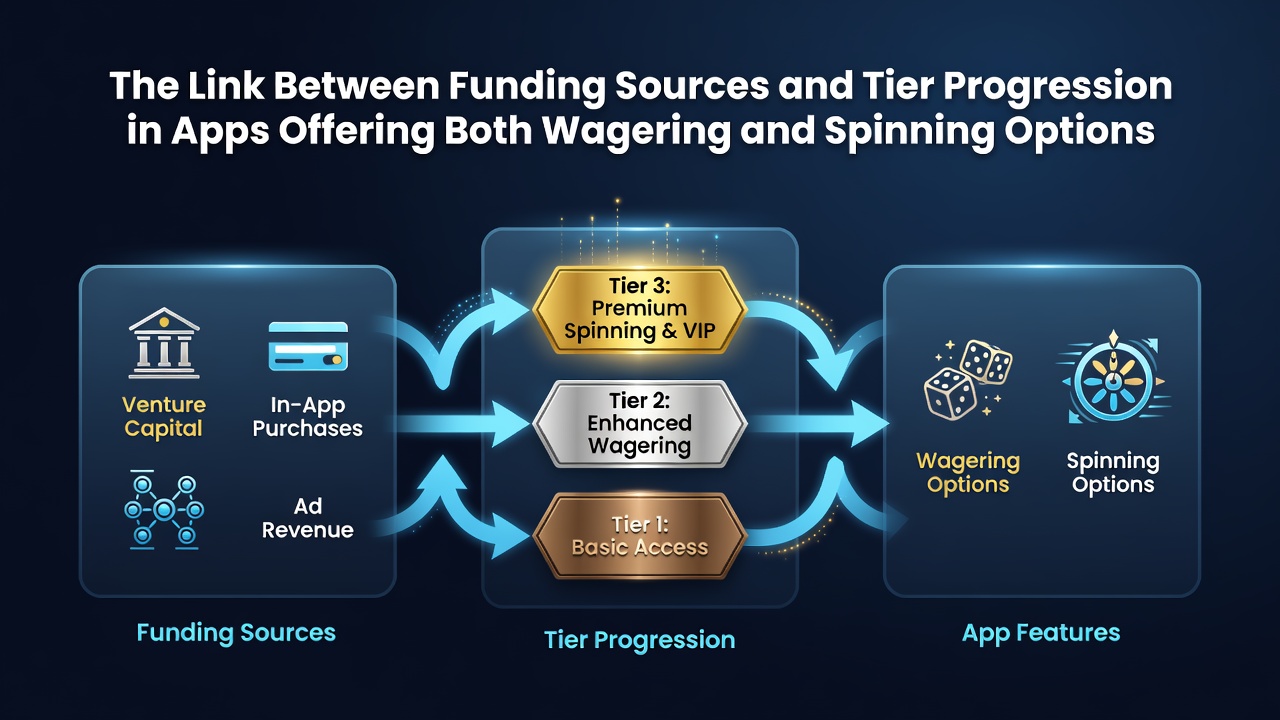
Data from industry monitoring services shows that funding sources directly shape how quickly users advance through loyalty tiers in applications that combine spinning reels with wagering features, and observers note several consistent patterns across platforms operating in multiple regions during July 2026.
Payment methods such as electronic wallets, bank transfers, credit cards, and cryptocurrency channels create measurable differences in processing speed and verification requirements, which in turn determine when tier thresholds become accessible. Applications track these transactions alongside user activity in both spinning and wagering sections, then apply the resulting data to unlock incremental rewards like increased cashback percentages or exclusive event access.
Transaction Speed and Tier Threshold Calculations
Platforms calculate tier progression using formulas that weigh deposit volume against activity frequency, yet the chosen funding channel influences how soon those volumes register in the system. Electronic wallet deposits often complete in seconds and integrate immediately with loyalty dashboards, whereas bank transfers may require one to three business days before the same amounts contribute to tier points. Researchers tracking these systems have documented cases where users relying on faster methods reached mid-tier status weeks earlier than peers using slower channels, even when total deposited amounts remained identical.
Verification timelines add another layer because certain payment providers supply identity confirmation automatically while others trigger manual reviews. In hybrid environments that blend spinning mechanics with live wagering options, these delays affect both reward eligibility and the timing of promotional unlocks tied to specific calendar periods.
Regional Payment Preferences and Platform Adaptations
Platforms operating across North America, Europe, and Asia-Pacific adjust their tier structures according to dominant local payment habits. In markets where digital wallets dominate, operators frequently assign higher point multipliers to those methods to encourage rapid volume accumulation. Conversely, regions favoring traditional bank wires see platforms extend grace periods or offer supplemental verification assistance so users do not fall behind in progression schedules.
One documented example from a multi-jurisdictional operator revealed that cryptocurrency deposits received accelerated point accrual rates during promotional windows in July 2026, resulting in faster movement from base to silver tier for participants who selected that channel. Such adjustments reflect data indicating that certain payment rails reduce operational friction and therefore support sustained engagement across both spinning and wagering modules.
Regulatory Reporting Requirements and Data Transparency
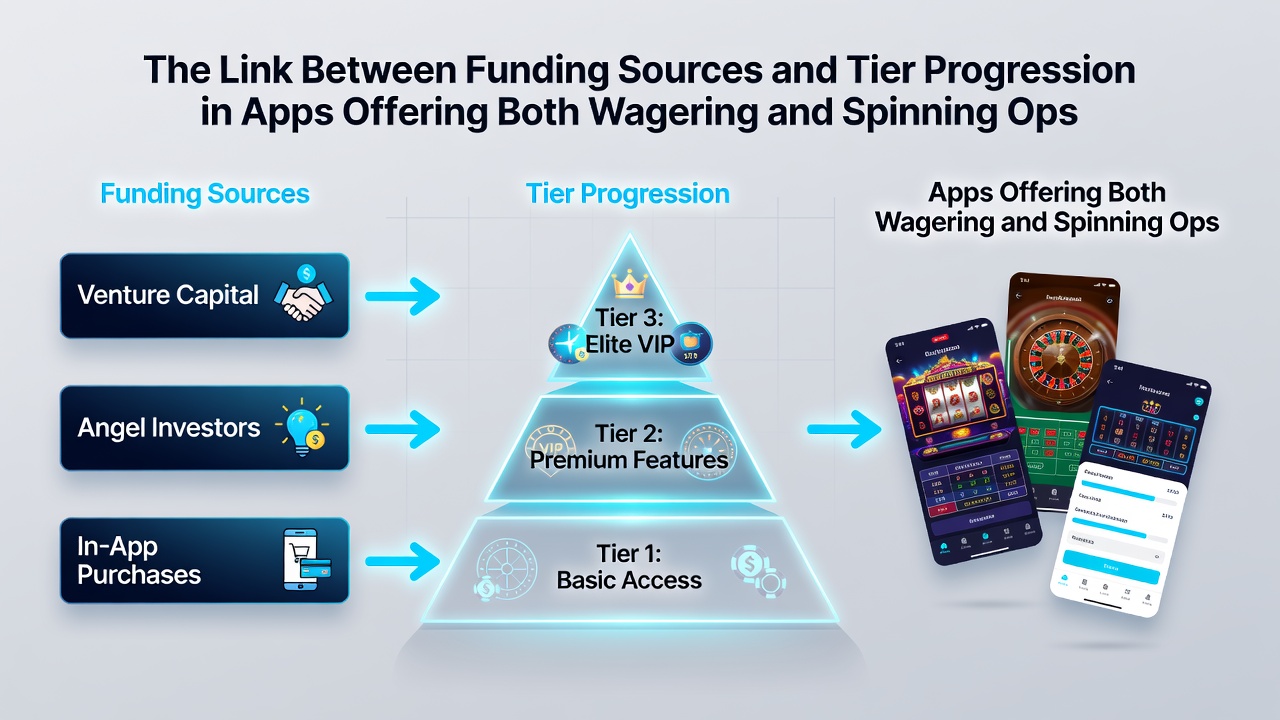
Regulatory bodies in multiple jurisdictions require operators to maintain clear records linking payment sources to reward distributions. The Nevada Gaming Control Board publishes annual summaries that include transaction-type breakdowns for loyalty programs, while the Australian Communications and Media Authority collects similar metrics through its digital platform oversight program. These reports allow analysts to trace how deposit method choices correlate with tier advancement rates across user cohorts.
Industry associations such as the European Gaming and Betting Association compile aggregated figures showing that platforms offering seamless e-wallet integration report higher percentages of users reaching premium tiers within defined timeframes. The data does not establish causation but highlights consistent statistical relationships between funding channel efficiency and reward tier velocity.
Integration of Spinning and Wagering Activity with Funding Data
Hybrid applications merge data streams from spinning sessions and wagering markets into unified loyalty engines. Deposit timing influences when these combined metrics update, because many systems require verified funds before crediting activity points. Users who complete deposits through instant channels therefore see their spinning multipliers and wagering contributions reflected sooner, which accelerates overall tier movement.
Case studies shared by platform analytics teams illustrate how a single large deposit processed via cryptocurrency can trigger immediate tier review, whereas the same amount routed through a traditional card processor may wait for batch settlement. These mechanics remain consistent across applications that operate in multiple regulatory environments and update their algorithms regularly to reflect new payment technologies.
Conclusion
Payment source selection continues to function as a measurable variable within tier progression systems for applications that combine spinning and wagering options. Available data from regulatory summaries and industry compilations demonstrates clear correlations between transaction speed, verification ease, and the rate at which users achieve successive loyalty levels. As platforms refine their tracking methods and regional payment landscapes evolve, these linkages are expected to remain central to how operators design and communicate advancement pathways.