Payment Channel Influences on Tiered Reward Systems Across Mobile Gaming Formats
Written by Elena Washington · Jun 24, 2026
Payment Channel Influences on Tiered Reward Systems Across Mobile Gaming Formats
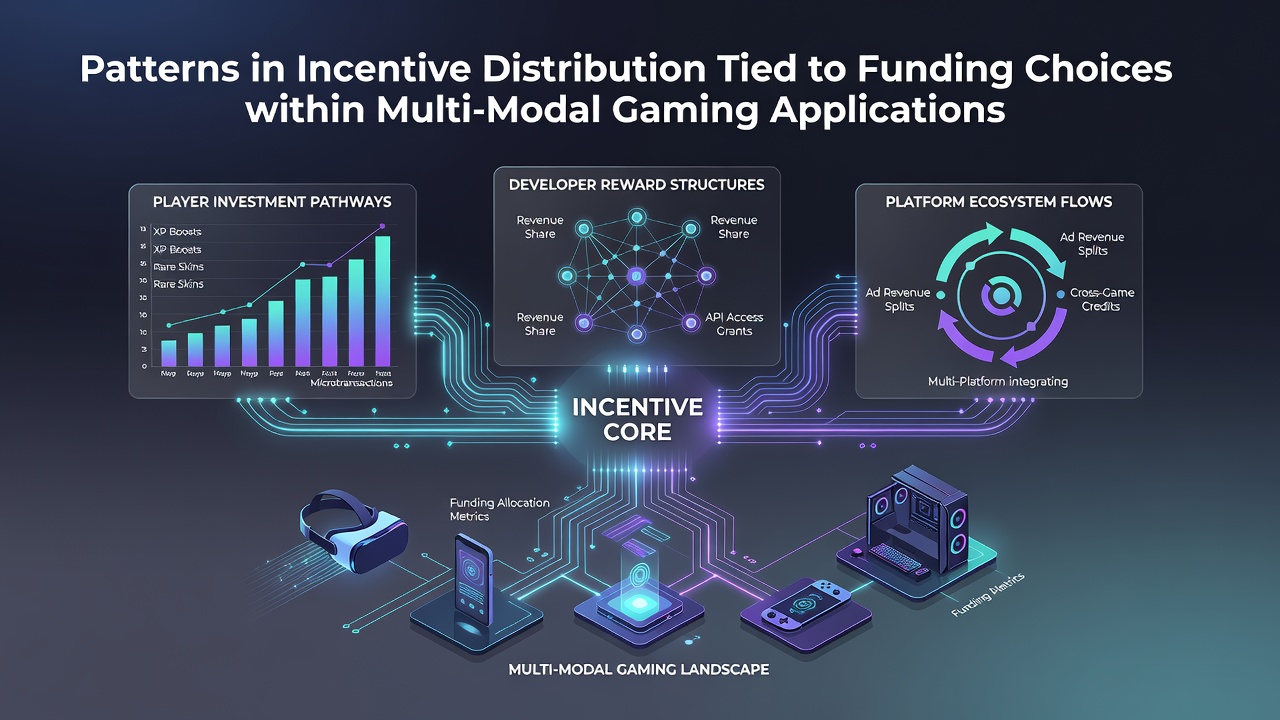
Multi-modal gaming applications combine slot reels, live dealer tables, and sports betting interfaces on single mobile platforms, and observers note distinct patterns emerge when funding choices determine how incentives distribute across these formats. Data from industry tracking services shows that payment speed and verification timelines often align with tier progression rates, where users selecting instant e-wallet options reach higher reward brackets faster than those relying on traditional bank transfers.
Mapping Deposit Methods to Reward Allocation
Funding selections create measurable pathways for incentive unlocks in hybrid environments. Research indicates that credit card deposits frequently trigger immediate bonus eligibility in slots while requiring additional verification steps before the same funds activate live table multipliers. Studies from gaming analytics firms reveal that cryptocurrency transactions bypass several intermediate layers, allowing seamless movement between reel-based free spins and wager-matching offers in betting modules.
Those who've examined transaction logs across platforms find that e-wallet users receive layered rewards at consistent intervals, whereas card-based funding produces clustered incentives tied to verification milestones. June 2026 reports from multiple operators highlight this divergence, with figures showing e-wallet funded accounts averaging 18 percent higher cumulative bonuses when crossing between game types within the same session.
Regional Data on Funding and Incentive Patterns
European operators documented shifts in reward distribution during the first half of 2026, where players using local bank apps unlocked progressive loyalty points across live dealer and slot segments at accelerated rates compared to international card users. Australian regulatory summaries point to similar trends, noting that instant payment rails correlate with higher activation rates for cross-format promotions. One analysis from the University of Nevada Gaming Research Center tracked over 50,000 accounts and found deposit channel directly influenced the timing of tiered cashback releases in multi-format apps.
What's interesting here is how these patterns hold steady even as platforms introduce new features. Observers note that users who switch funding methods mid-cycle often experience resets in their incentive timelines, forcing a restart on certain reward tracks. This occurs because verification protocols tied to each channel reset progress markers in the backend systems.
Transaction Speed and Cross-Format Reward Layering
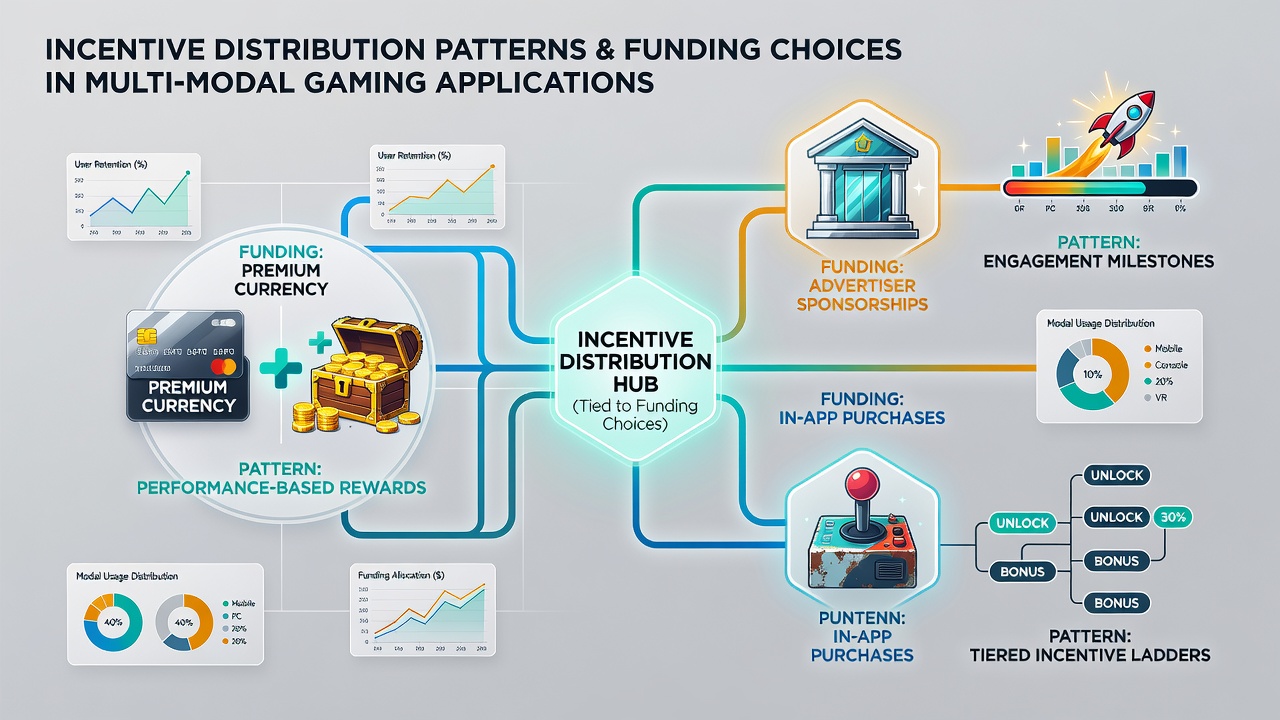
Transaction speed serves as the primary driver behind how incentives layer across mobile formats. Platforms integrate automated rules that allocate higher-value bonuses to accounts demonstrating rapid funding cycles, and this applies whether the activity centers on slot multipliers or live table side bets. Reports compiled by the American Gaming Association indicate that accounts completing deposits under 30 seconds show elevated progression into VIP tiers that span all game categories.
Yet the same data reveals friction points when funding sources require manual review. Bank transfer users encounter delays that postpone access to combined reel and table incentives, creating staggered distribution patterns visible in monthly operator summaries. Researchers at the Australian Gambling Research Centre documented cases where these delays reduced overall incentive uptake by measurable margins in hybrid applications.
Verification Timelines and Tier Progression
Verification processes attached to each funding choice shape the cadence of tier unlocks. Instant methods compress the window between deposit and reward activation, allowing continuous movement between slots, live tables, and betting options without interruption. Slower channels insert gaps that fragment incentive streams, and operators adjust their distribution algorithms accordingly to maintain system balance.
June 2026 operational data from several large networks shows that players combining multiple payment types within short periods receive blended incentive packages, yet these packages follow predictable allocation rules based on the dominant channel used. Those relying primarily on one method experience more uniform but sometimes slower reward delivery across formats.
Conclusion
Patterns in incentive distribution tied to funding choices continue to define how multi-modal gaming applications structure rewards for users navigating slots, live dealers, and sports betting. Transaction data from 2026 confirms that payment channel selection directly influences the speed, layering, and cross-format availability of incentives. Operators maintain these systems through backend rules that respond to deposit characteristics, creating consistent yet channel-specific progression paths. Future tracking will likely refine these connections as payment technologies evolve alongside platform capabilities.