Patterns of Play Shape Tier Adjustments in Unified Casino and Betting Ecosystems
Written by Klara Coleman · Jul 17, 2026
Patterns of Play Shape Tier Adjustments in Unified Casino and Betting Ecosystems
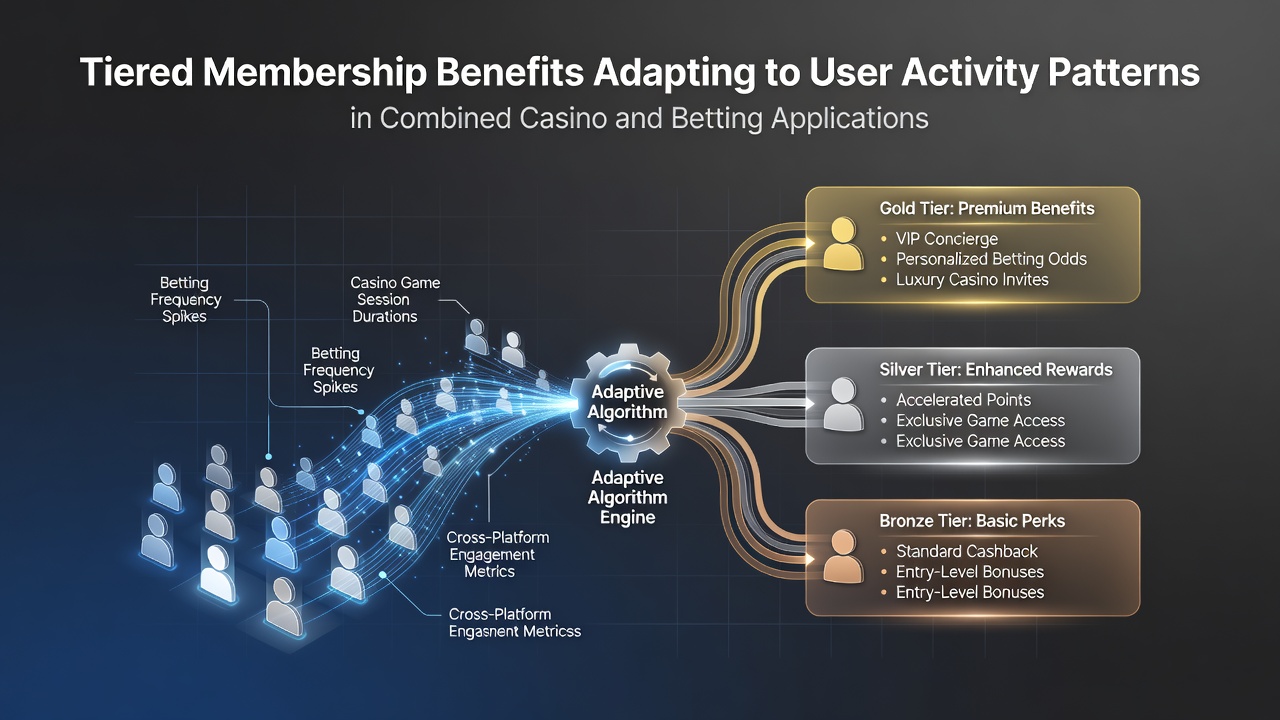
Combined casino and betting applications track multiple activity signals at once, and tiered membership systems respond by recalibrating benefits according to those signals. Operators monitor wager volume across slots, table games, and sports markets, then adjust reward rates, access privileges, and cashback percentages when user behavior crosses defined thresholds.
Key Activity Metrics That Drive Tier Movement
Frequency of sessions, average bet size, game variety, and session duration form the primary inputs. Systems log every spin, every live-dealer hand, and every sports wager, then feed the data into algorithms that recalculate tier status on a rolling basis. A user who shifts from low-stakes slots to higher-volume sports betting may trigger an upward revision even if total handle remains constant, because the risk profile and engagement pattern have changed.
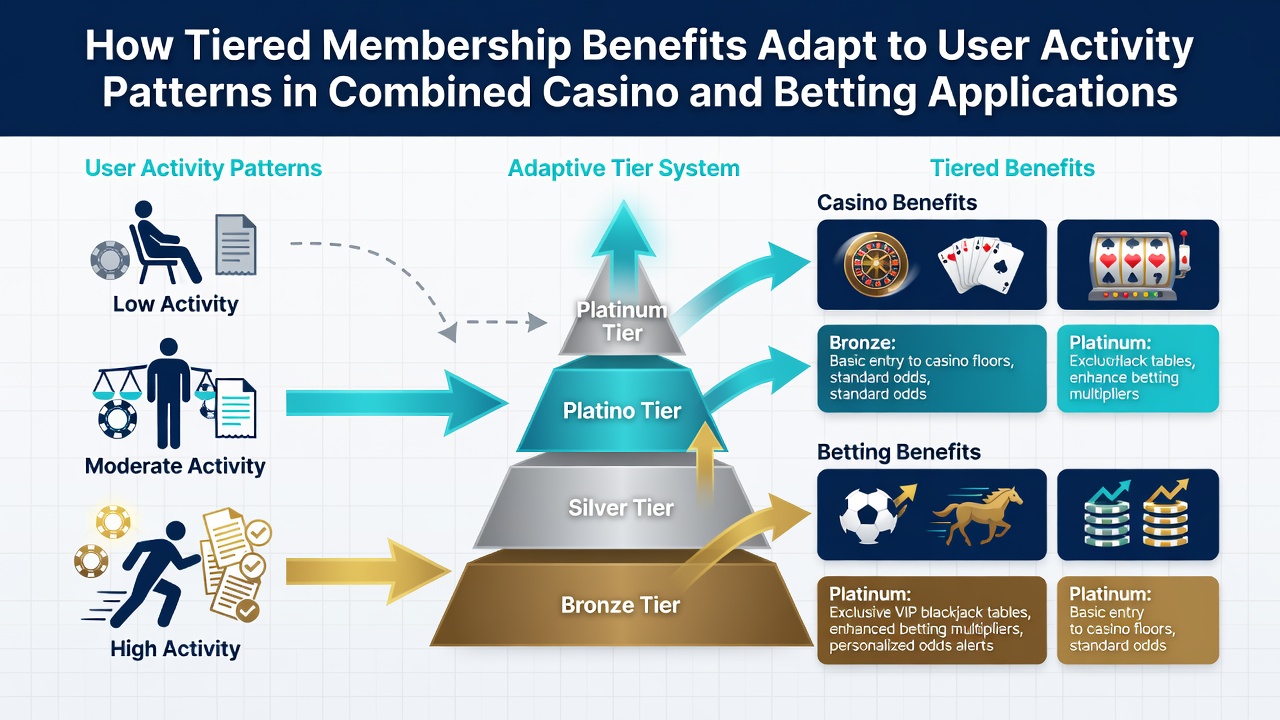
Data from integrated platforms shows that players who distribute activity across both casino and betting verticals often reach higher tiers faster than single-vertical users. This pattern holds because operators assign weighted values to cross-format play, recognizing that diversified activity increases retention metrics.
How Benefits Scale With Detected Patterns
Once a tier threshold is met, benefits update automatically. Cashback percentages rise in proportion to recent handle, while bonus multipliers adjust according to the proportion of play occurring in each vertical. A member whose activity leans heavily toward live table games may receive targeted reload offers for that category, whereas a sports-focused user sees enhanced odds boosts or parlay insurance instead.
Redemption windows also adapt. Users demonstrating consistent weekly activity across both casino and sports products receive shorter cooldown periods on tier rewards, allowing more frequent access to free spins or bet credits. Platforms record these adjustments in real time, and users see updated benefit lists the next time they open the application.
Regional Data Releases and July 2026 Observations
Figures released in July 2026 by the American Gaming Association indicated that hybrid platforms recorded a 14 percent increase in cross-vertical play compared with the same period in 2025. Operators attributed part of the growth to tier systems that automatically recognized mixed activity and delivered differentiated rewards. Similar trends appeared in reports from iGaming Ontario, where combined casino and sports applications showed elevated retention among users who moved between verticals within single sessions.
According to research published by the Australian Gambling Research Centre, platforms that weighted sports wagering activity more heavily in tier calculations experienced faster tier ascension among users who previously focused only on slots. The study examined anonymized transaction logs spanning 18 months and found that dynamic weighting reduced tier stagnation by approximately 9 percent.
Implementation Mechanics Behind Real-Time Adaptation
Backend rules engines evaluate activity every 24 hours, though some operators run hourly snapshots for high-volume accounts. When a user’s recent pattern deviates from the historical baseline, the system flags the account for review. Most adjustments occur without manual intervention; only edge cases involving large swings in volume require operator approval.
Thresholds themselves are not static. Operators periodically recalibrate the point values assigned to different game types based on margin contribution and player lifetime value models. A temporary promotion that boosts sports betting volume may therefore shift the relative weight of sports activity within the tier formula until the promotion ends.
Conclusion
Tiered membership structures in combined casino and betting applications function as responsive frameworks that align rewards with observed user patterns. By continuously ingesting data on session frequency, vertical distribution, and wager characteristics, these systems deliver benefit adjustments that reflect actual engagement rather than static assumptions. Regional reports from mid-2026 confirm that operators continue to refine weighting mechanisms in response to evolving play distributions across mobile platforms.