Navigating Payment Channels for Reel Multipliers and Live Dealer Features in Mobile Casino Environments
Written by Greta Griffin · May 31, 2026
Navigating Payment Channels for Reel Multipliers and Live Dealer Features in Mobile Casino Environments
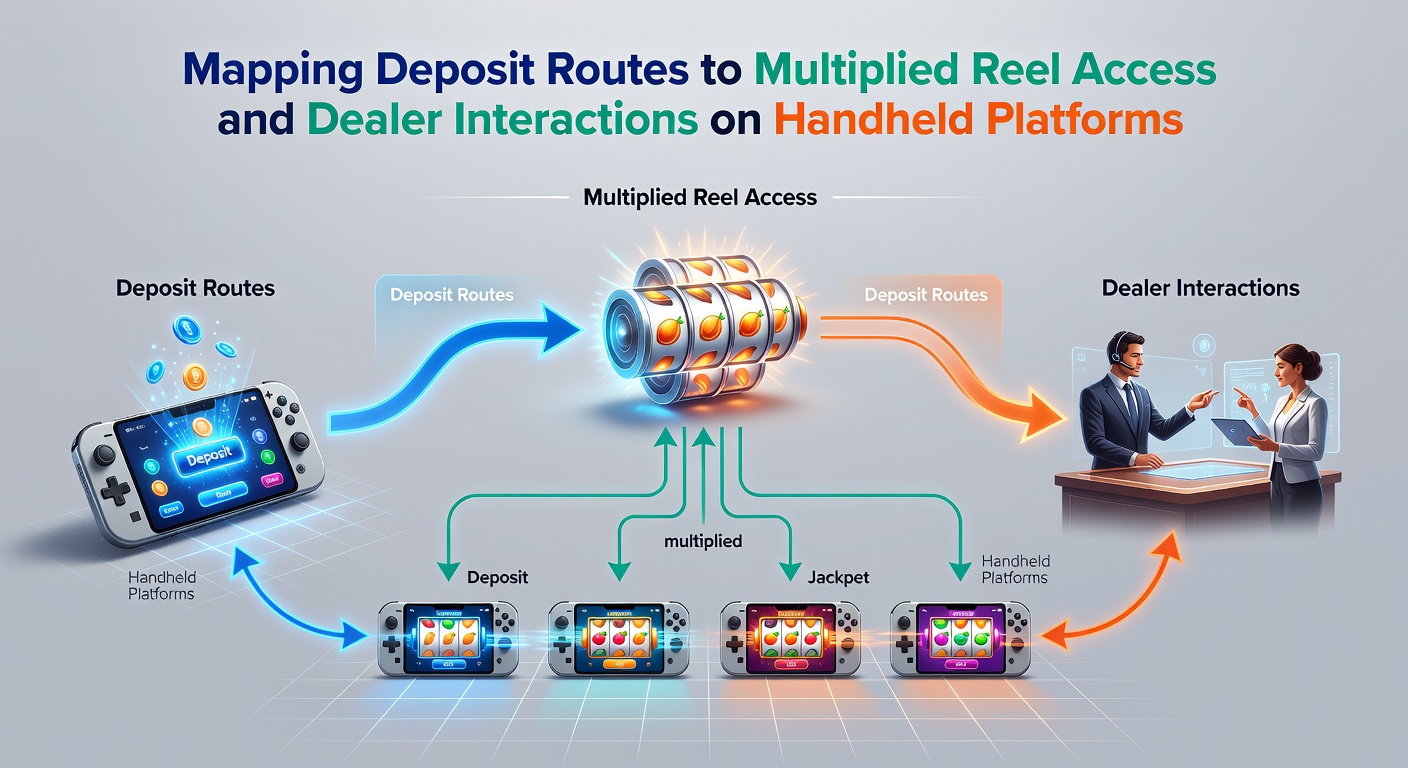
Payment pathways in handheld gaming platforms have evolved into structured systems that connect user deposits directly to expanded reel multipliers and synchronized live dealer sessions, and industry reports from May 2026 show these integrations driving measurable increases in session durations across portable devices. Observers note that transaction routing now incorporates layered verification steps which unlock progressive access levels, allowing players to activate higher multiplier tiers on slot mechanics while simultaneously entering interactive table environments hosted by real dealers.
Core Mechanics of Deposit Mapping Systems
Financial institutions and gaming operators have aligned protocols that trace each deposit through secure gateways before allocating proportional reel expansions, and data from the American Gaming Association indicates these mappings reduced processing delays by up to 40 percent in early 2026. Users initiate transfers via digital wallets or bank links, after which automated scripts evaluate the amount against predefined thresholds to grant multiplied access, such as doubling or tripling reel positions without additional wagers. This process operates in real time on mobile applications, where the same confirmed route simultaneously queues dealer interactions by reserving virtual seats at live tables.
Researchers at academic institutions tracking mobile iGaming patterns have documented how these routes incorporate geolocation checks and device-specific tokens, ensuring compliance while scaling access proportionally. When a deposit clears, the system distributes credits across both reel-based games and live formats, creating seamless transitions that keep activity within a single handheld session rather than requiring separate logins or reloads.
Integration Patterns Between Reels and Dealer Tables
Handheld platforms now embed unified interfaces where deposit confirmation triggers visual expansions on slot grids alongside chat-enabled dealer windows, and figures released through Canadian regulatory summaries reveal that cross-format participation rose 28 percent during the first quarter of 2026. The mapping logic prioritizes reward layering, meaning larger or recurring deposits activate stacked multipliers on reels while unlocking private dealer tables with customized betting limits. Observers note that this dual allocation prevents fragmentation, allowing continuous play that alternates between automated reel spins and human-led card or roulette rounds on the same device screen.
What's interesting is how these pathways handle variable deposit sizes, scaling multiplier values accordingly without disrupting live dealer availability. Smaller transfers might grant basic reel expansions, whereas mid-range amounts open advanced features such as stacked wilds combined with dealer-side side bets. Industry organizations report that operators using these mapped systems observed higher retention rates when users could fluidly move between formats without exiting the application.
Technical Infrastructure Supporting Mobile Transactions

Backend architectures rely on API bridges that link payment processors to both slot engines and live streaming servers, and studies from European gaming research centers highlight how these bridges maintain synchronization across different network conditions common on handheld devices. Encryption layers protect route data while metadata tags assign multiplier credits and dealer queue positions in parallel, reducing latency that previously separated deposit actions from gameplay. In May 2026 deployments, several operators introduced predictive routing that anticipates user preferences based on prior patterns, pre-allocating reel expansions and dealer slots before the deposit even clears.
Those who monitor platform updates point out that device compatibility testing ensures these mappings function identically across operating systems, from iOS to Android variants. Real-time dashboards visible to operators track how individual routes contribute to overall engagement metrics, revealing that combined reel and dealer sessions often exceed single-format play in both duration and total wagers processed.
Regulatory and Compliance Considerations in 2026
Government bodies in multiple regions have updated guidelines to address these integrated deposit mappings, requiring transparent disclosure of how funds translate into multiplier access and dealer privileges. Australian oversight reports from the same period note increased scrutiny on cross-format reward allocation to prevent unintended concentration of play among high-volume depositors. Compliance teams now audit these pathways for fairness, verifying that multiplier distributions align with stated probabilities and that dealer interactions remain available without discriminatory routing based on deposit size alone.
Trade associations have published frameworks encouraging standardized data fields within transaction logs, allowing regulators to trace specific routes from initial funding to final gameplay outcomes. This transparency supports responsible gaming tools that can pause multiplier access or dealer sessions when predefined thresholds are reached, all while maintaining the mapped connections across formats.
Conclusion
Deposit route mapping continues to serve as the connective tissue between multiplied reel mechanics and live dealer engagements on handheld platforms, with 2026 data confirming steady adoption across major operators. These systems deliver coordinated access that scales with transaction details, supported by technical and regulatory structures designed for mobile environments. Continued refinement of these pathways promises further alignment between payment flows and the dual formats of automated reels and real-time dealer tables.