Mapping Payment Pathways: How Deposit Channels Define Tiered Rewards in Mobile Slots and Table Games
Written by Yves Simon · Jun 7, 2026
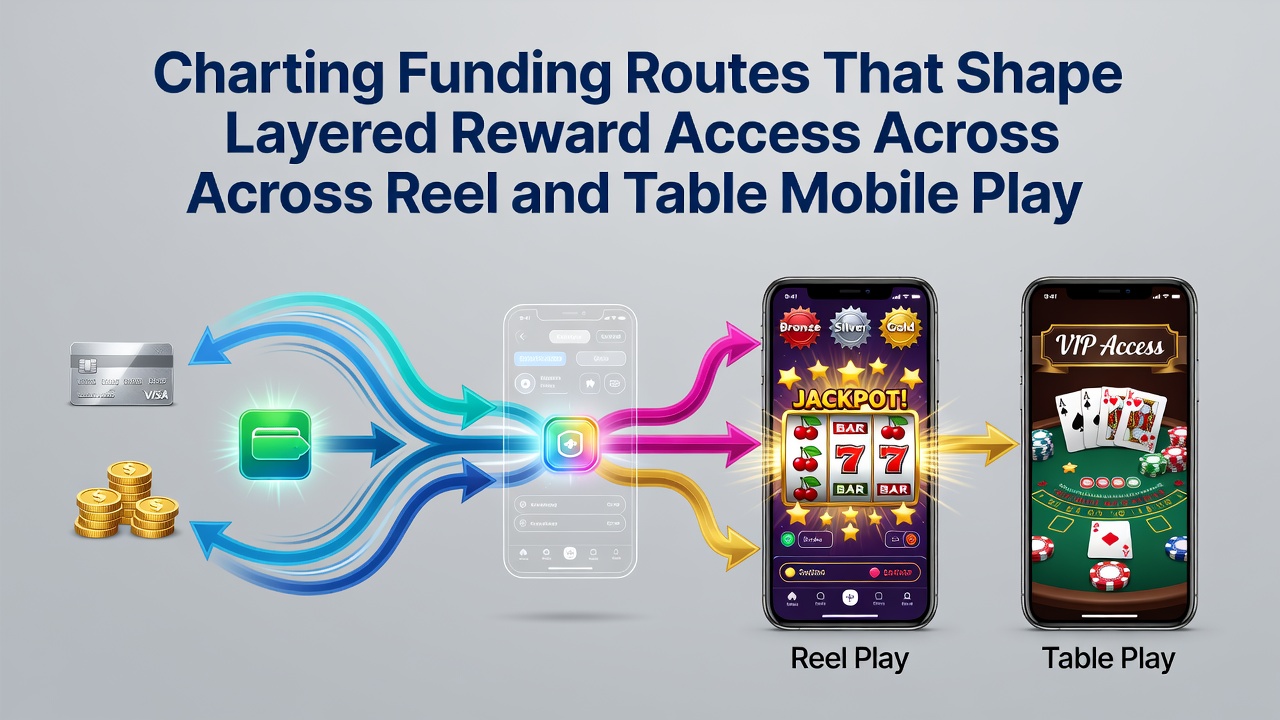
Mapping Payment Pathways: How Deposit Channels Define Tiered Rewards in Mobile Slots and Table Games
Payment methods continue to influence how players unlock progressive incentives across mobile reel and table formats, and June 2026 data highlights several measurable shifts in transaction processing and reward eligibility. Observers note that deposit speed, verification requirements, and fee structures directly affect the timing of bonus activation in both slot multipliers and live dealer environments, creating distinct access patterns based on the chosen funding route.
Core Funding Channels and Their Processing Characteristics
Electronic wallets, bank transfers, credit cards, and emerging digital asset options each carry different timelines for confirmation and clearance, which in turn determines when layered rewards become available. Research from industry monitoring groups shows that e-wallet deposits often clear within minutes, allowing immediate progression toward welcome bonuses and initial tier unlocks, whereas traditional bank wires may require 24 to 72 hours before reward systems register the activity. Those who track player behavior across platforms report that faster routes tend to accelerate movement through early reward layers, especially when combined with minimum deposit thresholds set by operators.
Meanwhile, cryptocurrency transactions introduce variable confirmation periods depending on network congestion, yet they frequently bypass certain verification steps that slow other methods. Data collected through 2026 indicates these differences create measurable gaps in reward access between users who favor instant options and those who rely on slower, lower-fee alternatives.
Layered Reward Structures in Reel and Table Mobile Play
Reward systems typically stack multiple components including deposit matches, free spin allocations, cashback percentages, and loyalty point multipliers. In reel-based mobile games, these layers often tie directly to wager volume on specific titles, whereas table environments link incentives more closely to session duration and bet size ranges. Payment route selection can alter the sequence in which these layers activate because operators apply distinct eligibility rules based on deposit source and amount.
Take one operator network that adjusted its mobile platform in early 2026: players using certain e-wallets reached the second reward tier after three qualifying deposits, while credit card users required five deposits to achieve the same level. This pattern appears consistently across multiple sites, demonstrating how funding pathways shape progression speed without altering the underlying reward mechanics themselves.
Cross-Format Integration and Mobile-Specific Factors
Hybrid platforms that combine reel and table offerings within a single mobile application require payment systems to register activity across both formats for unified tier advancement. Studies conducted by gaming analytics firms reveal that seamless transaction logging between slot sessions and live dealer tables helps maintain continuous reward accumulation, yet delays in one format can stall progress in the overall system. Mobile device constraints, such as app permissions and network stability, further interact with payment processing times to influence reward unlock rates.
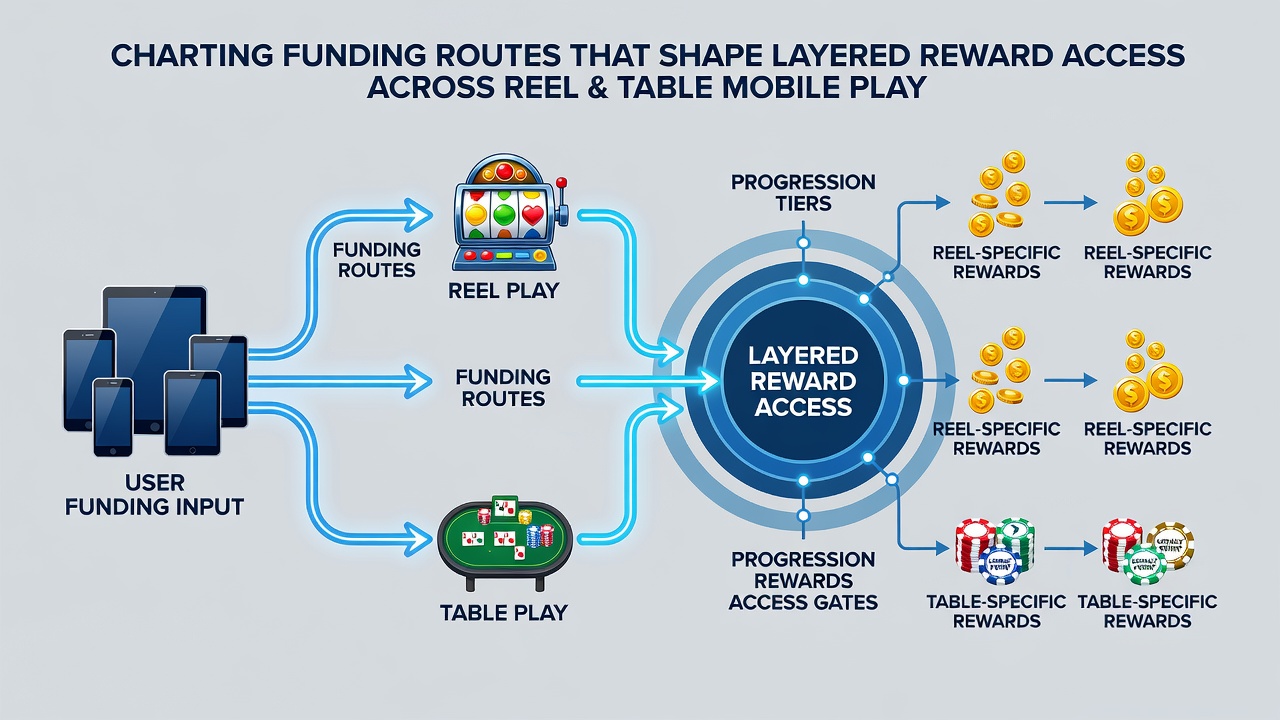
June 2026 figures from regulatory filings show increased adoption of instant verification tools that reduce friction for mobile users, particularly those switching between reel and table environments mid-session. These tools allow reward layers tied to total handle or time spent to update in near real time, provided the initial deposit route supports rapid confirmation.
Regulatory and Industry Data Points from Mid-2026
According to reports issued by the American Gaming Association, mobile gaming revenue growth in the first half of 2026 correlated with expanded support for diverse payment options that align with tiered incentive programs. Separate analysis from Canadian regulatory summaries indicates similar trends, where operators that integrated multiple funding routes experienced higher retention rates among players progressing through reward layers. These observations remain consistent across regions without implying causation from any single factor.
Industry associations tracking transaction volumes note that players utilizing a mix of payment methods often navigate reward structures more efficiently than those limited to one channel, because different routes satisfy varying minimums and verification criteria at successive tiers.
Conclusion
Payment channel selection continues to determine the pace and sequence of reward layer access in mobile reel and table environments through measurable differences in processing speed and eligibility rules. June 2026 records confirm these connections across multiple markets, with data from regulatory bodies and research organizations illustrating consistent patterns rather than isolated cases. Future adjustments to verification standards and network integrations will likely maintain this relationship between funding routes and layered incentive structures.