Incentive Architectures Merging Sports Wagering Markets with Casino Classics on Mobile Devices
Written by Kai Otto · Jul 8, 2026

Incentive Architectures Merging Sports Wagering Markets with Casino Classics on Mobile Devices
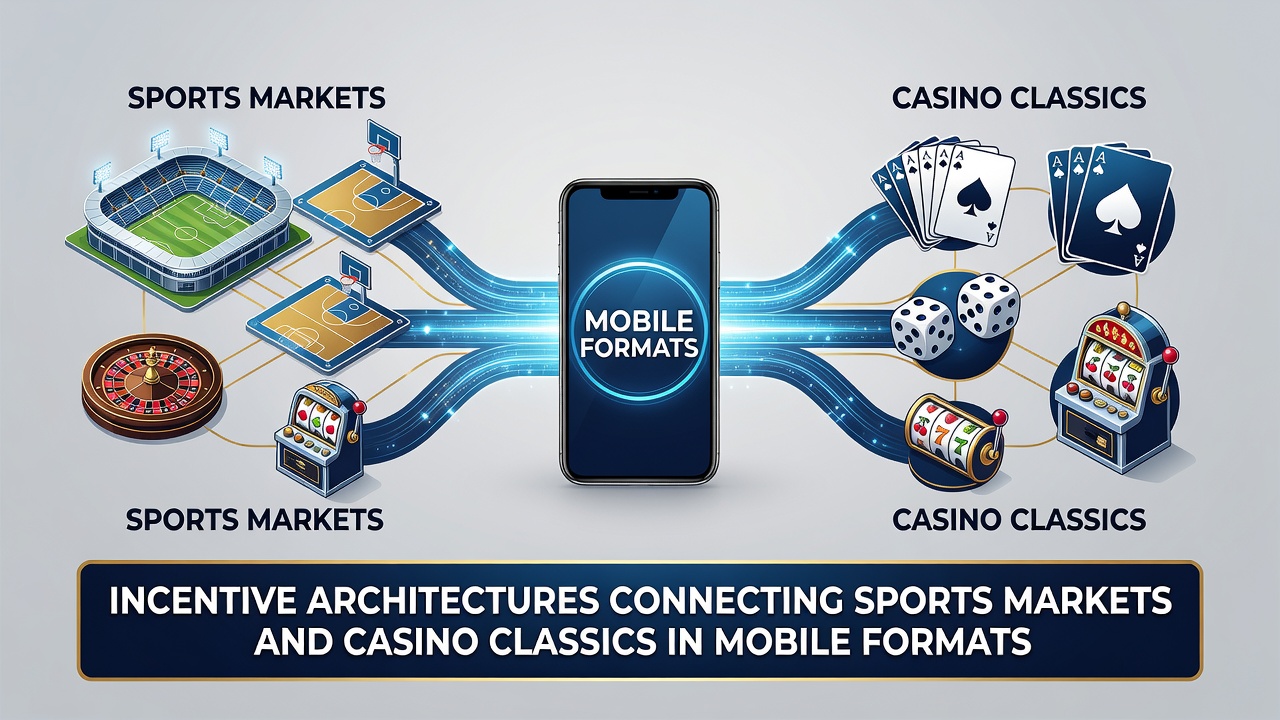
Observers note that mobile platforms have developed intricate incentive architectures over recent years, systems designed to link sports wagering markets directly with traditional casino offerings such as slots, blackjack, and roulette. These structures rely on shared reward pools, tiered progression systems, and cross-format multipliers that encourage users to move between different game types within single applications. Data from industry tracking services indicate steady expansion of these features through mid-2026, with July figures showing increased adoption rates across major operators in North America and Asia-Pacific regions.
Core Components of Cross-Market Incentive Systems
Developers build these architectures around unified loyalty frameworks where points earned from sports event wagers convert automatically into credits usable on classic casino reels or table games. Research from academic institutions such as the University of Nevada Reno Gaming Research Center highlights how algorithms adjust reward ratios based on user activity patterns, creating seamless transitions between live odds markets and simulated reel spins. One documented approach involves daily challenges that combine elements from both categories, for instance requiring a parlay bet on soccer matches followed by a set number of spins on video poker machines to unlock bonus tiers.
Payment integration plays a supporting role in these designs. Operators route deposits through channels that trigger immediate incentive unlocks applicable across formats, while withdrawal timelines remain consistent regardless of whether funds originated from sports or casino play. Reports compiled by the Australian Communications and Media Authority document similar patterns in regulated markets, where verification processes map directly onto progressive reward levels that span both verticals.
Regional Data Trends Through July 2026
Figures released in July 2026 reveal continued growth in hybrid mobile engagement. North American commercial gaming revenues demonstrated particular strength in segments that blend sports betting interfaces with casino classics, according to aggregated statistics from state regulatory bodies. Meanwhile, European markets reported parallel developments, with operators noting higher retention when incentive pathways allowed quick shifts between live dealer tables and in-play sports options on the same device.
These patterns emerge because architectures prioritize flexibility. Users accumulate status points from any activity, then redeem them for format-specific enhancements such as boosted odds on upcoming matches or additional free spins on progressive jackpot slots. Industry analyses from the Canadian Gaming Association confirm that such layered approaches reduce fragmentation across separate apps, consolidating activity into fewer platforms while maintaining distinct mechanical rules for each game type.
Technical Implementation and User Pathways
Engineers design backend systems to track multi-format progress through centralized ledgers. When a participant places a wager on basketball totals, the resulting points feed into a shared meter that also registers spins on classic three-reel slots. Completion thresholds then release tiered benefits, including cashback percentages that apply equally to future sports or table game activity. Studies published in the Journal of Gambling Studies describe how these connections rely on real-time synchronization to prevent delays that might discourage continued participation.
Case examples from operational deployments show operators testing variable conversion rates during promotional windows. During major sporting events in early 2026, several platforms temporarily increased point values earned from live bets when users subsequently engaged with casino sections, creating measurable upticks in cross-format sessions according to internal performance metrics shared with trade associations.
Regulatory Considerations Across Jurisdictions
Regulators in multiple regions have begun examining how these incentive architectures comply with existing frameworks for fair play and responsible gaming tools. The Nevada Gaming Control Board issued updated guidance in spring 2026 requiring clear disclosure of conversion mechanics when rewards span sports and casino products. Similar scrutiny appears in Asian markets, where authorities monitor whether unified systems inadvertently concentrate play among smaller user segments.
Compliance teams implement automated safeguards within the architectures themselves. These include session time limits and spending caps that function uniformly across both sports markets and casino classics, preventing any single format from bypassing restrictions through reward transfers. Data collected through these mechanisms contributes to broader industry reports on player behavior patterns.
Conclusion
Incentive architectures continue evolving as mobile platforms refine connections between sports wagering markets and established casino offerings. Technical frameworks track activity across formats, while regional data through July 2026 illustrates sustained integration trends supported by regulatory oversight in key jurisdictions. Observers expect further refinements in conversion logic and cross-format challenges as operators respond to measured performance indicators and compliance requirements.