Fertitta Entertainment Secures Agreement to Acquire Caesars Entertainment in $17.6 Billion Transaction
Written by Greta Griffin · May 29, 2026

Fertitta Entertainment Secures Agreement to Acquire Caesars Entertainment in $17.6 Billion Transaction
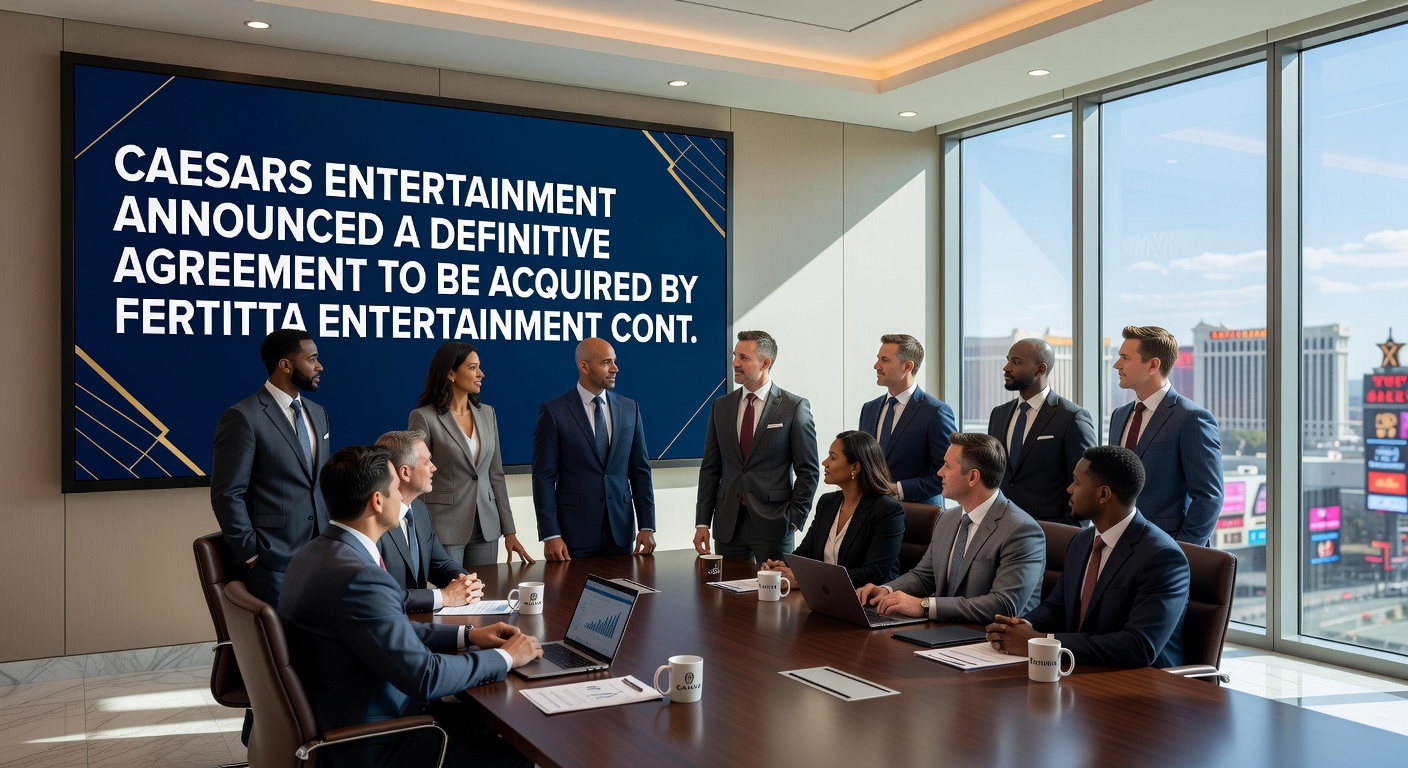
Caesars Entertainment has entered a definitive agreement for acquisition by Fertitta Entertainment in an all-cash transaction valued at roughly $17.6 billion, including assumption of about $11.9 billion in existing debt, according to the company's official investor release. The per-share price stands at $31, which reflects a 49 percent premium over the unaffected share price prior to the announcement. This structure positions the deal as one of the larger moves in the U.S. gaming sector in recent years.
Regulatory approvals remain the key hurdle before closing, which the companies project will occur in approximately twelve months. The process involves reviews from multiple state gaming commissions along with federal antitrust considerations. Observers note that similar past transactions have required divestitures of certain assets to satisfy competitive concerns in overlapping markets.
Transaction Structure and Financial Terms
The agreement specifies that Fertitta Entertainment, controlled by billionaire Tilman Fertitta, will purchase all outstanding shares of Caesars Entertainment. Financing comes through a combination of equity commitments and debt arrangements already arranged by the buyer. Caesars shareholders will receive $31 per share in cash once the deal closes, providing immediate liquidity at the stated premium.
Debt assumption forms a substantial part of the total enterprise value. The $11.9 billion figure covers Caesars' existing obligations, which the acquirer will take on directly rather than requiring immediate refinancing. This approach streamlines the transaction while shifting responsibility for those liabilities to the new ownership structure.
Market Context and Competitive Landscape
Analysts at major investment firms have highlighted potential ripple effects for other operators. MGM Resorts and Boyd Gaming stand positioned to gain market share in regions where asset sales might occur to address regulatory requirements. Historical patterns from prior casino consolidations show that competitors often absorb divested properties or capture displaced customer traffic during transition periods.
Data from the second source indicates that analysts expect these shifts to unfold gradually once the transaction receives clearance. The twelve-month timeline allows operators time to adjust strategies in key markets such as Nevada, New Jersey, and regional gaming jurisdictions. Those adjustments may include marketing initiatives or property enhancements aimed at capturing additional visitors.
Regulatory Path and Expected Timeline
Multiple layers of approval sit ahead before the deal can finalize. State-level gaming regulators in jurisdictions where Caesars holds licenses will conduct background reviews of the new ownership group. Federal agencies will examine competitive impacts under existing antitrust frameworks. The companies have stated they intend to cooperate fully with these processes to meet the projected closing window.
Past transactions of comparable scale have encountered delays when divestiture negotiations extend beyond initial estimates. The current agreement includes standard provisions for extending the timeline if regulatory reviews require additional time. Both parties have expressed confidence that the structure aligns with precedents established in earlier gaming industry consolidations.
Strategic Implications for the Sector
Industry reports show that consolidation trends have accelerated as operators seek scale advantages in marketing, technology, and supply chain management. Fertitta Entertainment's acquisition adds Caesars' extensive portfolio of regional properties and digital platforms to an existing collection that includes the Golden Nugget brand. Integration planning has already begun in areas such as loyalty program alignment and operational systems.
Market participants continue to monitor how the combined entity will allocate capital across existing assets. The all-cash nature of the deal eliminates ongoing public market pressures on Caesars while transferring strategic decision-making authority to private ownership. This shift mirrors patterns observed in other sectors where large public companies transition to private control.
Conclusion
The agreement between Caesars Entertainment and Fertitta Entertainment marks a significant ownership change that will unfold over the coming year subject to regulatory clearance. The $17.6 billion valuation, premium pricing, and debt assumption structure set clear parameters for the transaction. Competitors have already begun evaluating potential opportunities arising from any required divestitures or market repositioning. Final outcomes will depend on approvals secured across multiple jurisdictions and the pace at which integration proceeds once the deal closes.