Deposit Verification Timelines Mapped to Tiered Incentive Unlocks in Hybrid Reel and Table Mobile Ecosystems
Written by Greta Griffin · Jun 5, 2026
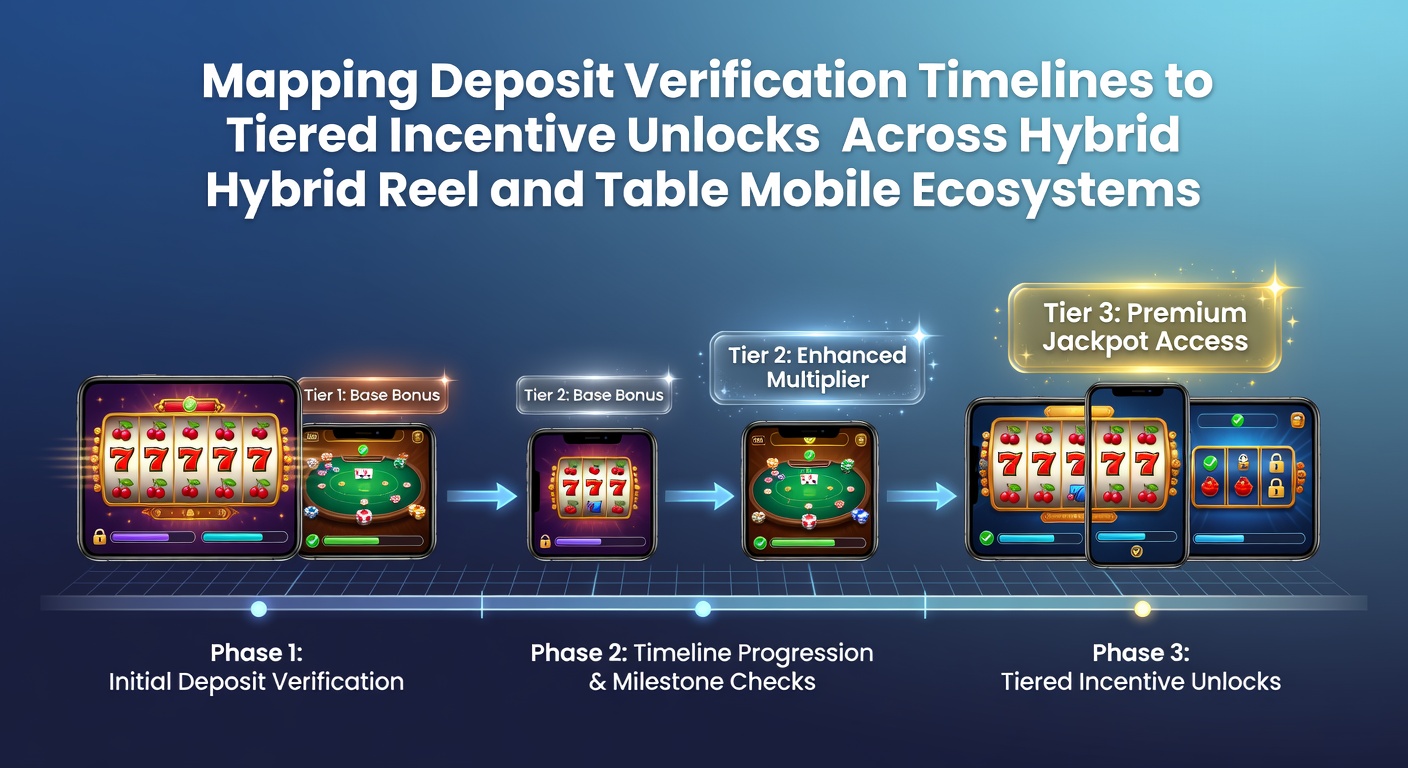
Deposit Verification Timelines Mapped to Tiered Incentive Unlocks in Hybrid Reel and Table Mobile Ecosystems
Operators in hybrid mobile ecosystems track deposit verification timelines as direct inputs for tier progression systems that combine reel mechanics with live table environments, and data from multiple markets shows these mappings determine when users gain access to specific incentive layers. Verification processes range from instant approvals through automated checks to delays of several hours or full business days depending on payment method and regulatory requirements, while tier structures typically progress from entry-level access through intermediate stages to premium categories that unlock enhanced multipliers and dedicated features.
Core Mapping Mechanisms Across Formats
Systems connect verification completion timestamps to incentive activation points by assigning each timeline category a corresponding unlock threshold, so instant deposits often feed directly into base-tier rewards such as standard free spin allocations on reel games while longer verification windows align with mid-tier table game credits that require sustained activity across both formats. Observers note that reel segments frequently receive faster unlocks because automated random number generators integrate more readily with payment ledgers, whereas table interactions demand additional confirmation steps to match live dealer pacing and session tracking protocols.
Timeline Categories and Corresponding Tier Triggers
Short verification windows under thirty minutes typically map to bronze-level unlocks that grant immediate reel multiplier boosts and limited table seat reservations, and intermediate periods between thirty minutes and four hours align with silver tiers that expand access to hybrid bonus pools covering both slot sequences and card-based progressions. Extended timelines exceeding one day correspond to gold or higher categories that activate layered incentives including cashback percentages applied across reel and table wagers simultaneously, according to operational patterns reported in industry analyses.
Hybrid platforms maintain separate yet interconnected ledgers for each game type, which allows verification events to propagate rewards selectively so that a completed deposit check first unlocks reel incentives before triggering table environment bonuses after additional play thresholds are met. Those who've examined platform architectures find that this sequencing reduces server load during peak hours while preserving engagement across both verticals through staggered reward delivery.
Regional Data Patterns and Platform Variations
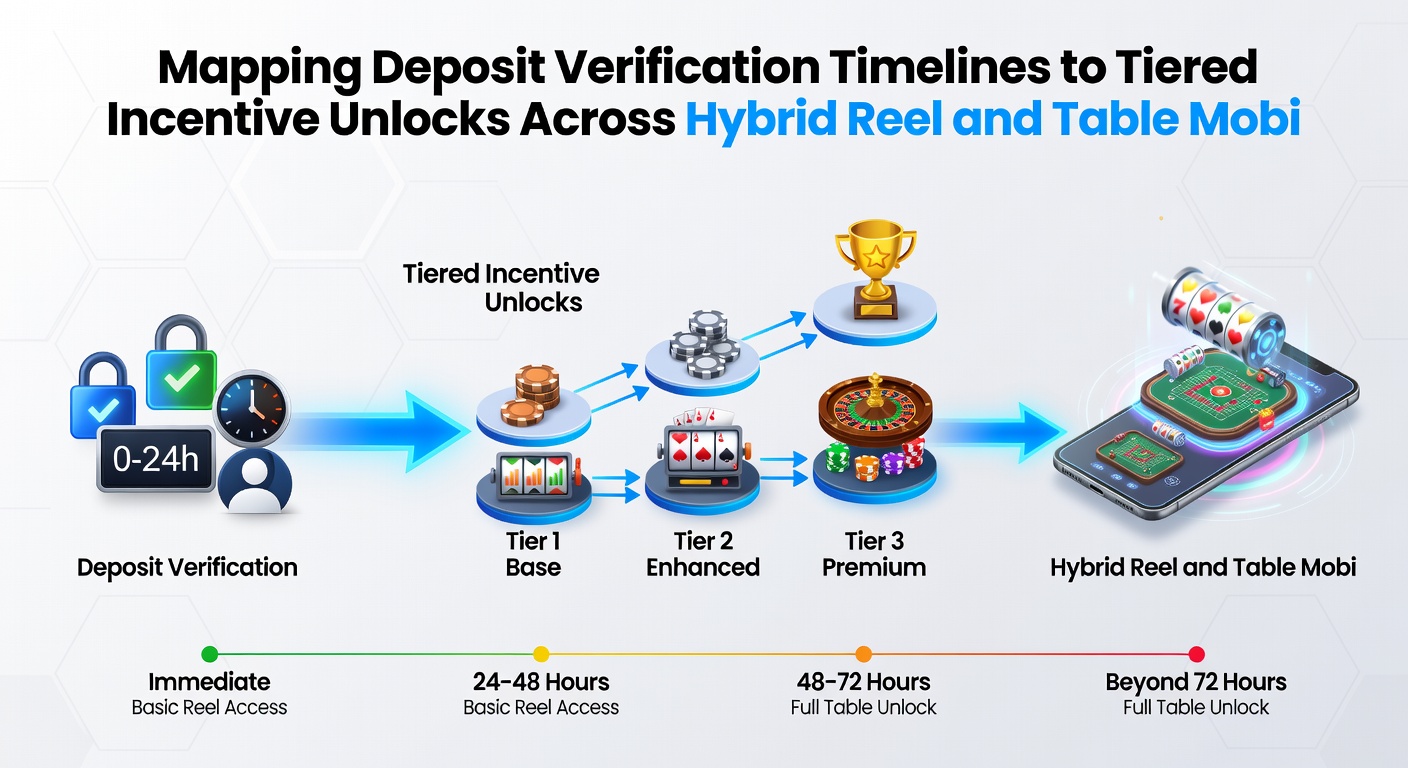
Figures from North American operators indicate that platforms integrating reel and table content report verification-to-unlock conversion rates that differ by payment rail, with e-wallet methods producing the shortest timelines and therefore quicker tier advancements compared to traditional card processing routes. In contrast, Australian market reports highlight regulatory emphasis on extended verification for higher-value deposits, which shifts many users into slower unlock pathways that still deliver table game incentives once clearance occurs. European operators, meanwhile, often employ tiered verification that escalates based on user history, allowing repeat players to bypass delays and maintain continuous access to hybrid reward streams.
One study from a Canadian research institution revealed consistent correlations between verification speed and cross-format retention, where users experiencing under-one-hour confirmations showed higher continuation rates in both reel sessions and live table rounds. These patterns hold across June 2026 reporting cycles as platforms refine their mapping algorithms to accommodate seasonal traffic increases without altering core unlock structures.
Implementation Considerations for Operators
Developers align database triggers so that each verified deposit amount corresponds to a tier multiplier applied uniformly whether the subsequent activity occurs on reel interfaces or table modules, and this unified approach simplifies compliance reporting while supporting regional variations in incentive rules. Payment providers contribute additional data layers that feed directly into these systems, enabling real-time status updates visible within mobile dashboards.
Regulatory bodies such as the Nevada Gaming Control Board publish guidelines that influence how verification timelines integrate with reward disclosures, and similar frameworks from the Australian Communications and Media Authority shape comparable mappings in other jurisdictions. Industry associations including the European Gaming and Betting Association compile aggregate statistics that operators reference when adjusting tier thresholds for hybrid environments.
Conclusion
Mapping deposit verification timelines to tiered incentive unlocks creates structured pathways that connect payment processing directly to reward access across reel and table formats in mobile ecosystems, with regional data confirming measurable differences in unlock speeds and user progression. Continued refinement of these connections supports consistent operation as platforms expand hybrid offerings through 2026 and beyond.