Decoding Intersections Between Funding Timelines and Escalating Privilege Structures Across Integrated Wagering Formats
Written by Klara Coleman · Jun 21, 2026
Decoding Intersections Between Funding Timelines and Escalating Privilege Structures Across Integrated Wagering Formats
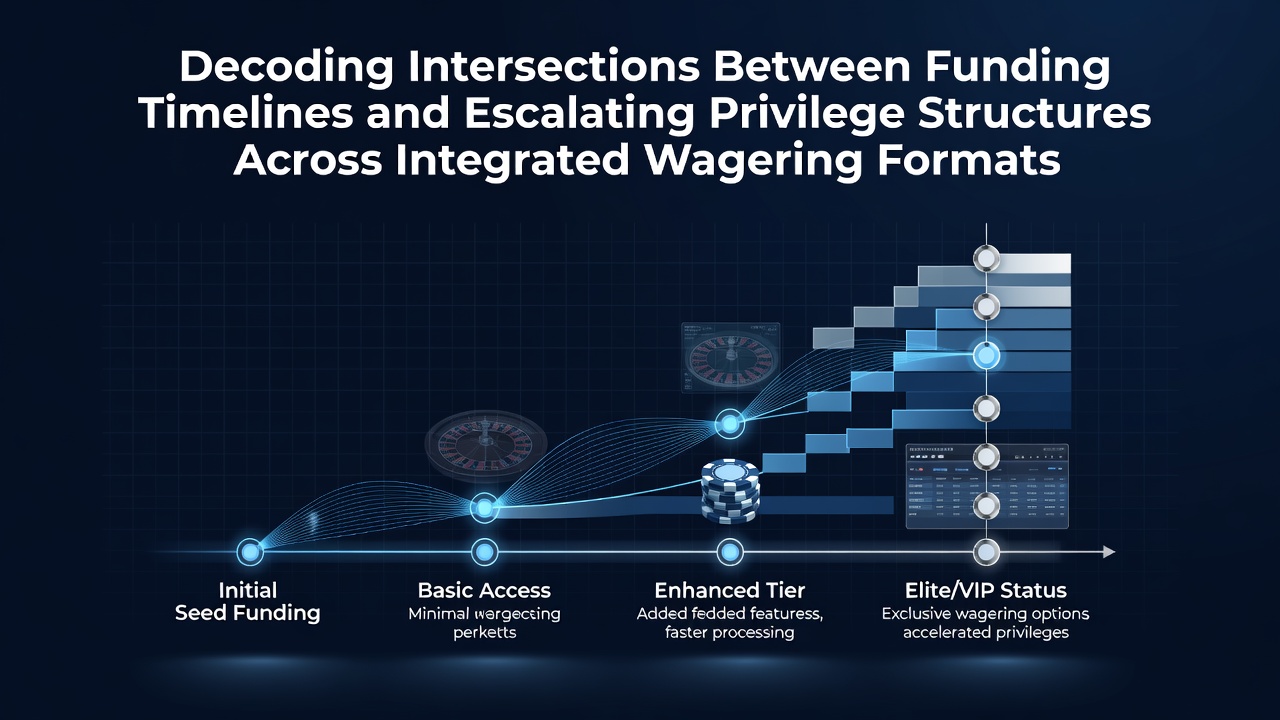
Payment processing speeds connect directly to how quickly players advance through loyalty tiers when operators combine slots, live dealer tables, and sports betting into single mobile applications, and analysts track these patterns across multiple jurisdictions during the first half of 2026. Faster deposit approvals often trigger immediate access to higher reward brackets because systems calculate real-time wager volume against tier thresholds that reset on monthly cycles. Slower verification steps meanwhile delay those same unlocks even when total wagering activity meets numerical requirements.
Payment Channel Mechanics and Tier Advancement
Electronic wallet transfers complete in under thirty seconds at many platforms, whereas bank transfers or card deposits require two to five business days for full clearance, and those differences determine whether a player enters a new privilege bracket before or after a promotional period ends. Observers note that integrated systems log each deposit timestamp alongside cumulative handle across formats, so a single delayed transaction can shift an account from gold to platinum status by several days. Data from the American Gaming Association shows average deposit completion times shortened by eighteen percent between January and June 2026 for mobile users who combined slots and live dealer activity.
Privilege Hierarchies in Multi-Format Environments
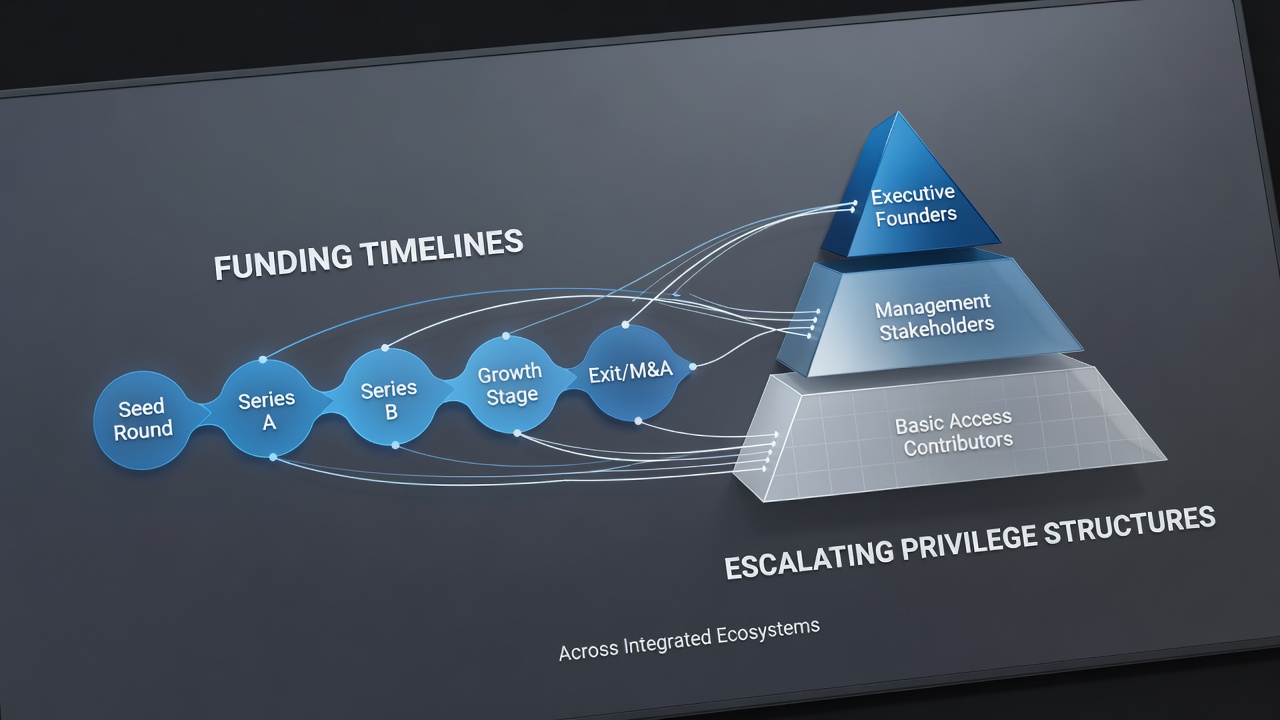
Tier structures typically layer cashback percentages, dedicated account managers, and event invitations according to monthly or quarterly handle thresholds, yet the timing of funds arrival influences whether those thresholds register within the measurement window. Players who fund accounts through instant channels accumulate qualifying wagers sooner, whereas those relying on traditional rails sometimes miss cutoffs even when overall activity levels remain comparable. Research published by the European Gaming and Betting Association indicates that accounts using instant methods reached top-tier status twenty-two percent faster on average during the first two quarters of 2026.
Cross-Format Tracking Systems
Software platforms now merge reel spin data with live table session lengths and sports book stakes into unified player profiles, and these merged records feed directly into algorithms that adjust privilege levels once funding clears. A deposit verified at 11:47 p.m. on the final day of a reporting period can therefore retroactively qualify wagers placed earlier that same week, whereas a deposit clearing the next morning falls into the subsequent cycle. Such mechanics create measurable differences in reward distribution across user cohorts that rely on different payment rails.
Regional Patterns Observed in Mid-2026
North American operators reported that e-wallet adoption among mobile users reached sixty-seven percent by June 2026, correlating with accelerated tier movement in combined wagering environments, while European markets showed similar trends although regulatory reporting intervals differ. Australian data collected through state gaming authorities likewise documented shorter intervals between deposit and tier elevation when instant methods predominated. These patterns hold across both recreational and high-volume segments, though the absolute dollar thresholds for each tier remain operator-specific.
Verification Protocols and Their Timing Effects
Know-your-customer checks that occur after the first deposit sometimes extend clearance times by twenty-four to seventy-two hours, and such extensions can interrupt continuous play streaks that contribute to tier calculations. Automated systems flag larger transfers for manual review more frequently, creating additional variables that affect when privilege escalations activate. Those who've studied transaction logs across multiple operators find that accounts subjected to secondary reviews experience tier delays averaging 3.4 days compared with fully automated approvals.
Conclusion
Funding timelines and privilege structures intersect at the level of timestamped transaction records that feed tier algorithms across integrated mobile formats, and industry data collected through June 2026 demonstrates consistent correlations between deposit speed and advancement rates. Operators continue refining verification processes while regulatory bodies monitor how these mechanics influence player outcomes across jurisdictions. The resulting frameworks shape access to layered rewards in measurable ways that depend on both payment channel performance and reporting cycle alignment.